Do not hesitage to give us a call. We are an expert team and we are happy to talk to you.
+51 977 472 296
info@viajesdelalba.com
Discover Choquequirao on an exciting 4-day trek through one of the most spectacular areas of the Andes. Hike across deep canyons, mountains, and stunning natural landscapes as you make your way to this impressive Inca archaeological complex, considered one of Cusco’s hidden gems. An ideal adventure for travelers looking to combine trekking, history, and nature away from the more crowded routes.
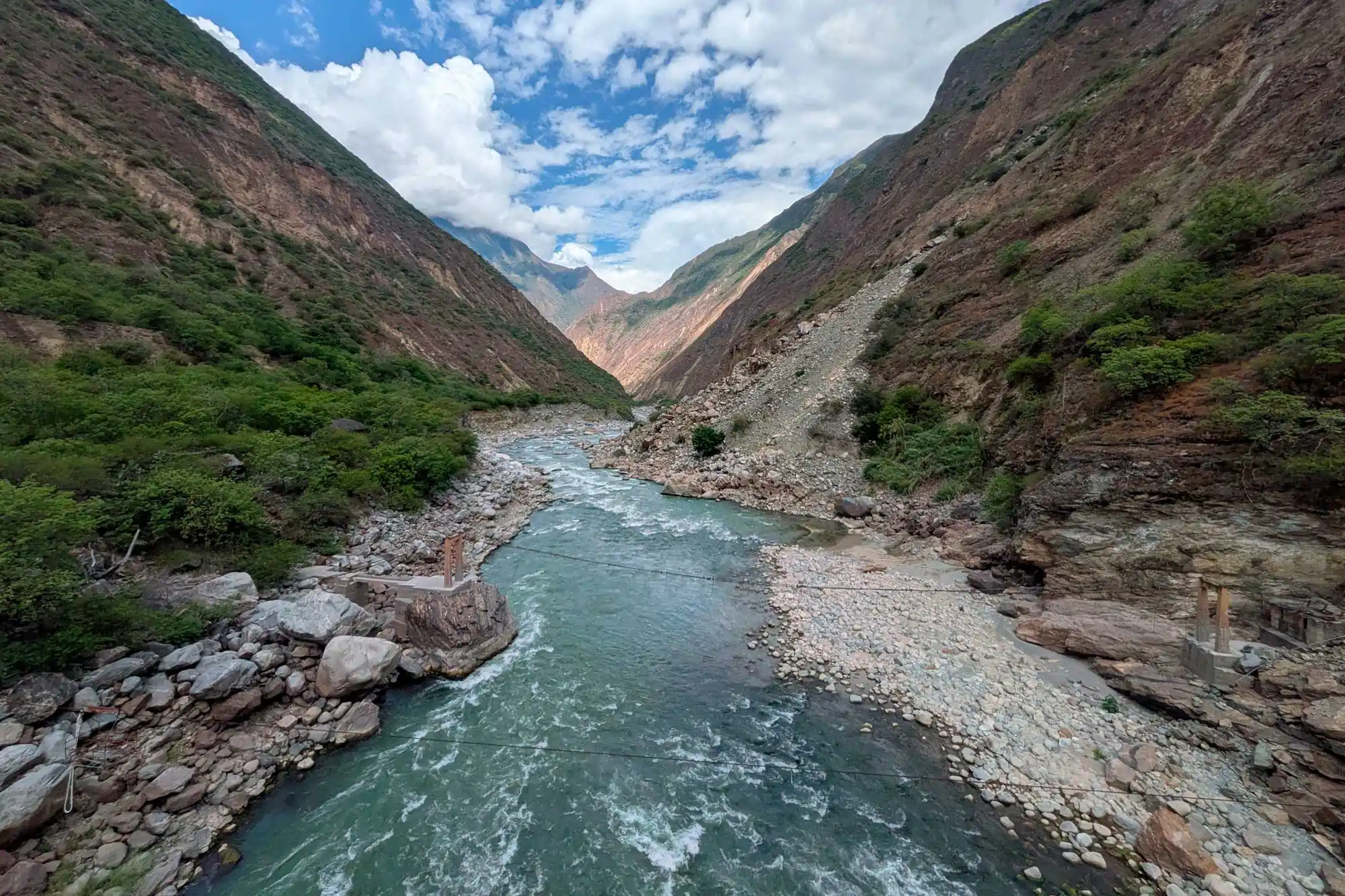
Departure from your hotel in Cusco will be at 5:00 am. We will drive through the Andes towards Capuliyoc, arriving at approximately 8:30 am. After breakfast, prepared by your chef, the TreXperience begins, a trek to one of the legendary lost cities of the Incas, the Inca site of Choquequirao. The first part is a 4-hour descent from Capuliyoc (9,550 ft – 2,911 m) to our lunch spot in Chiquiska (1,893 m – 6,210 ft). Along the way, you will get your first glimpses of the Apurimac Canyon, one of the deepest canyons in Peru. This part of the trek offers spectacular views of diverse landscapes, from the Peruvian mountains to the dense cloud forest vegetation. After lunch, we will continue for another two hours to Santa Rosa (2,230 m – 7,300 ft), where we will camp for the night.
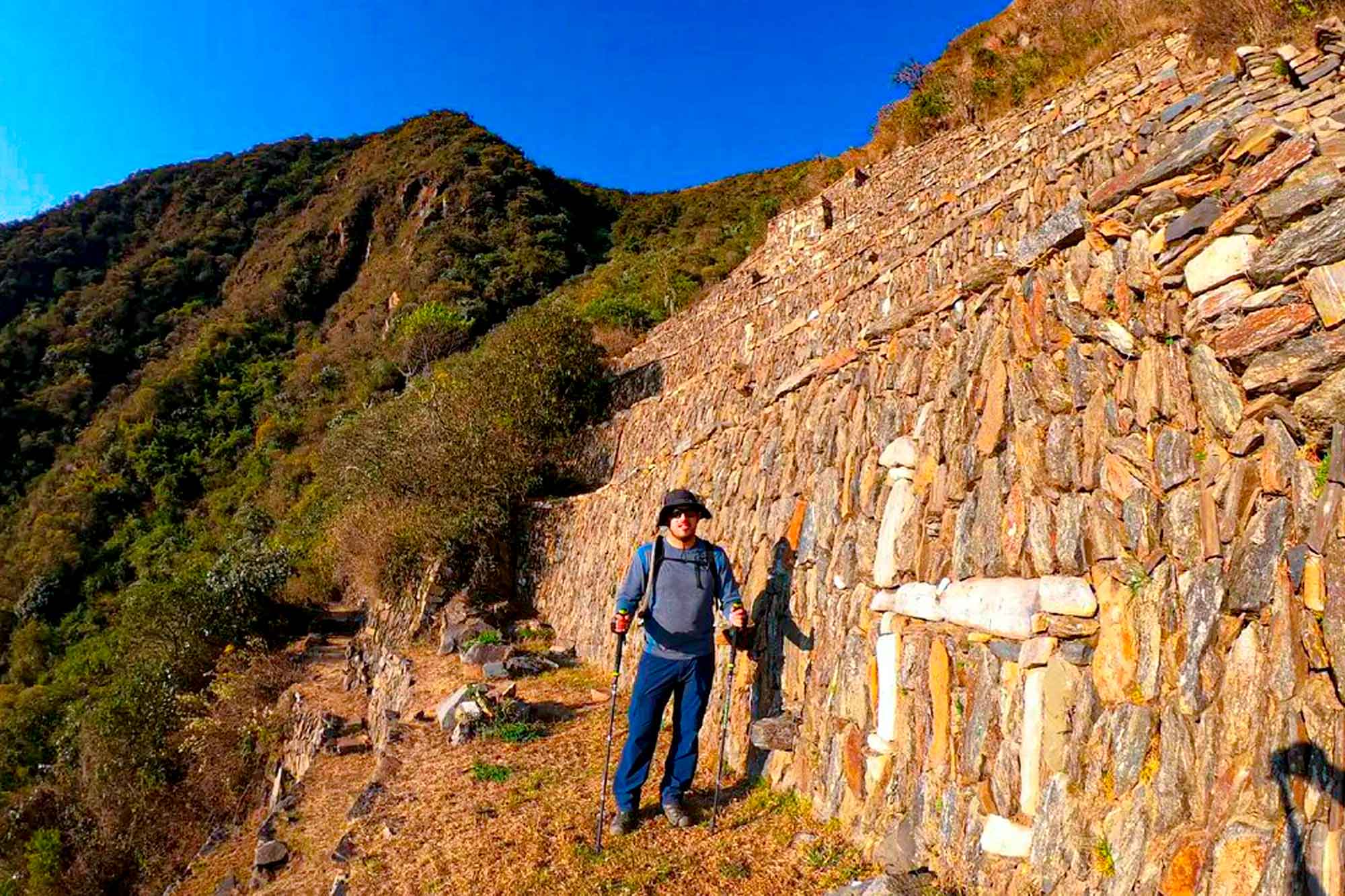
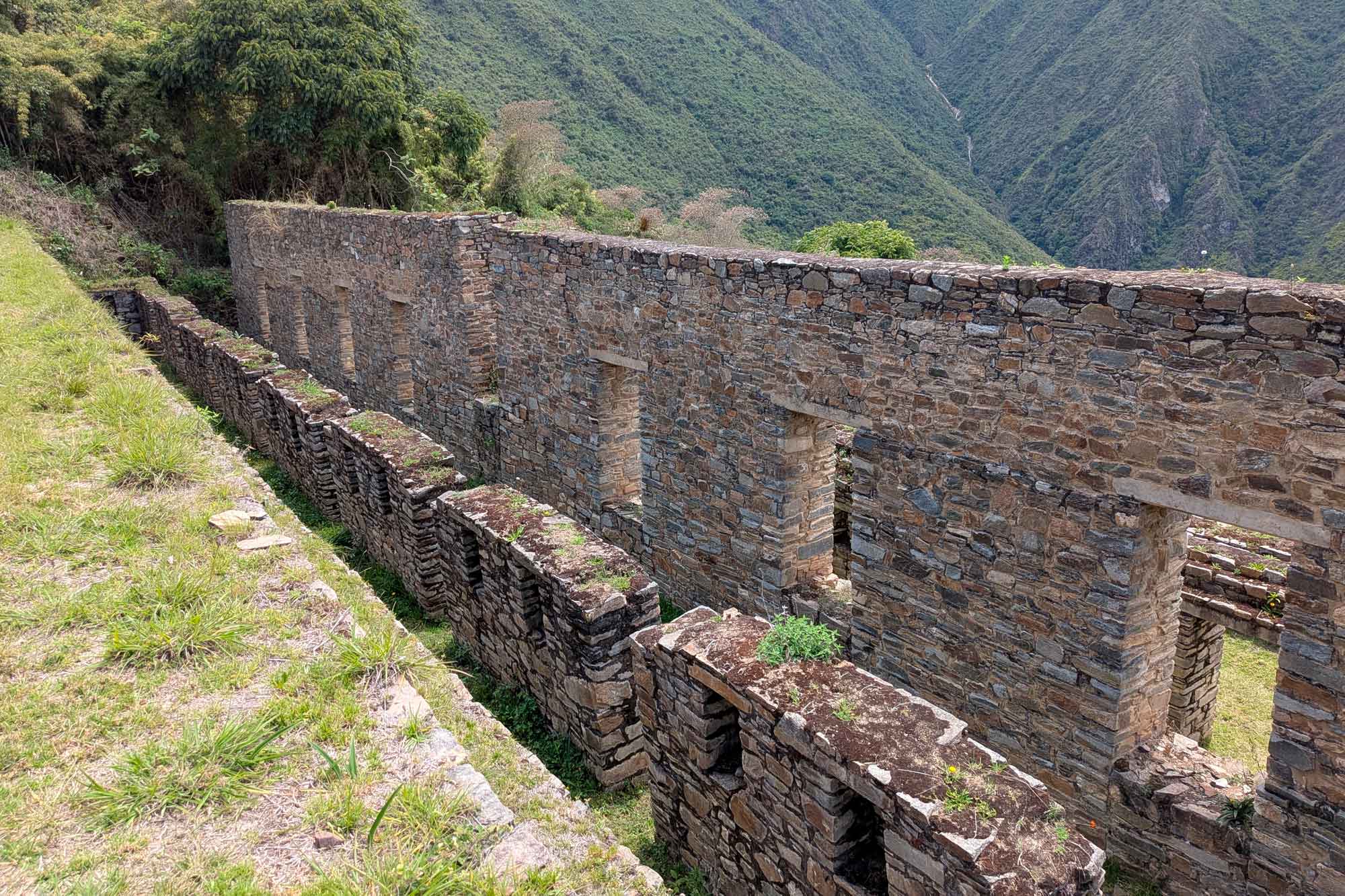
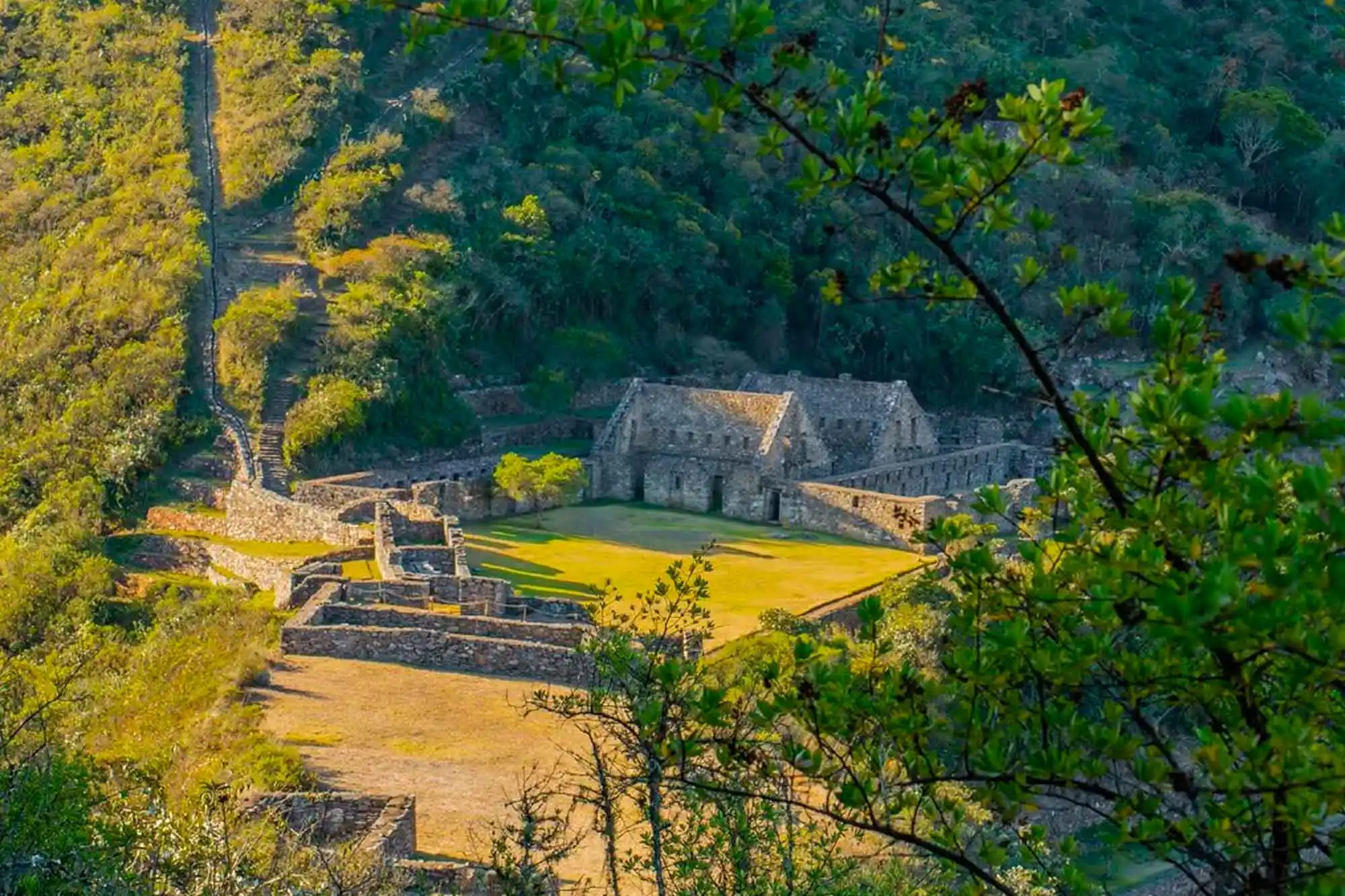
After breakfast, prepare for one of the most challenging yet rewarding days TreXperience has to offer. Hike for 4 hours uphill to Marampata (9,550 ft / 2,911 m). Along the way, you’ll visit sugarcane plantations where locals produce “cañazo,” a local alcoholic beverage made for centuries and supplied to cities like Cusco. Lunch is at a local home with stunning views of the mountains and river. After lunch, you’ll ascend for another 2 hours uphill to Choquequirao (3,057 m / 10,029 ft), a spectacular Inca site perched high in the Peruvian Andes. Choquequirao was one of the last Inca cities built in the cloud forest and abandoned during the conquest of Peru. It may have been one of the entry checkpoints to Vilcabamba, the last Inca capital in the 16th century. Today, our camp is right next to this archaeological site, allowing us to walk back and forth to these mysterious places whenever we want to relax.
Wake up to a cup of coffee or coca tea provided by your trekking team in your tent, while enjoying the most spectacular sunrise in this magical place. It will be a 3-hour descent to Santa Rosa (2230m – 7300ft), our lunch spot. Later, continue downhill for 21 hours and then uphill for 2 hours to the final campsite at Chiquiska (1800m / 5905ft). This is a perfect day to enjoy the surrounding landscape, with its hundreds of different flowers, birds, and waterfalls in the distance.
On the last day, wake up early and enjoy one last breakfast with your team. Then, prepare for the final 4-hour uphill hike to Capuliyoc. We’ll host a special Pachamanca underground barbecue, where we’ll have various vegetables, meats, and fruits cooked in a pit oven with hot stones. After lunch, say goodbye to the entire trekking team that accompanied you on this expedition. Then, take private transport to the Saywite archaeological site: a large, mysterious rock believed to be the region’s complex irrigation system. You’ll have ample time to explore the area before returning to Cusco, where you’ll be dropped off at your hotel around 6:00 pm.
The Choquequirao Trek is considered challenging. The route includes steep ascents and descents, so good physical fitness and proper preparation are recommended.
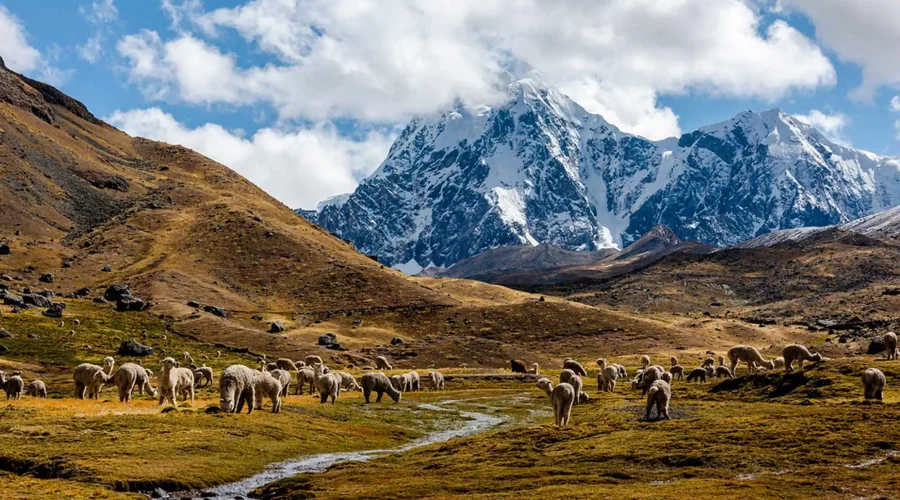
During the trek, you will experience mountains, valleys, deep canyons, and spectacular Andean landscapes, as well as explore the impressive Choquequirao archaeological complex.
Previous trekking experience is not essential, but you should be prepared for long hiking days and have a good level of fitness.
The dry season, generally from April to October, usually offers better trekking conditions, with less rainfall and clearer views of the surrounding landscapes.
Choquequirao offers one of the most authentic trekking experiences in Cusco. The route combines spectacular landscapes, Inca history, and a much quieter atmosphere than many other popular destinations in the region.